 Francais
Shōjo Manga
9782756008622 11/10/2023 1855
9782809438758 11/10/2023 2274
9782811680381 11/10/2023 2155
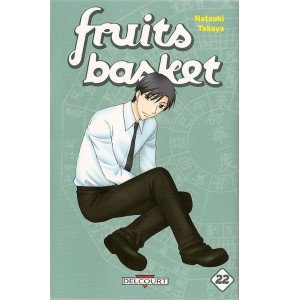
9782756008615 11/10/2023 1957
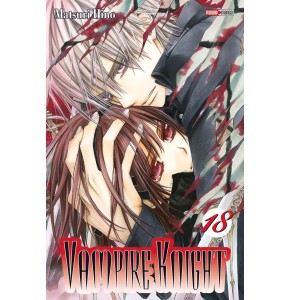
9782809435559 11/10/2023 1984
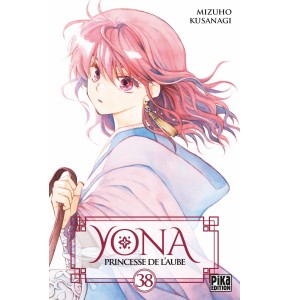
9782811677855 11/10/2023 2155
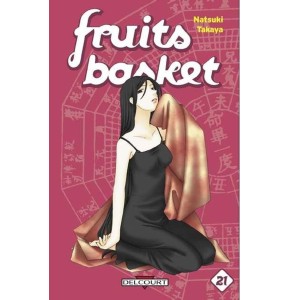
9782756007601 11/10/2023 1682
9782809430318 11/10/2023 1898
9782811673512 11/10/2023 2181
9782756007595 11/10/2023 1650
9782809427431 11/10/2023 2129
9782811669652 11/10/2023 2537
9782756004273 11/10/2023 1759
9782809424676 11/10/2023 1846
9782811668167 11/10/2023 1984
9782756002330 11/10/2023 2099
9782809421545 11/10/2023 1930
9782811666385 11/10/2023 2098
9782756001494 11/10/2023 1588
9782809419009 11/10/2023 2042
9782811663674 11/10/2023 2016
9782756000763 11/10/2023 1814
9782809414530 11/10/2023 1973
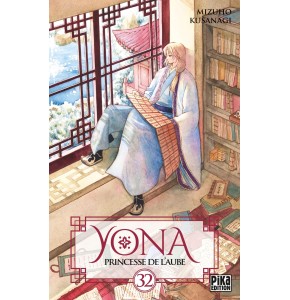
9782811660086 11/10/2023 2139
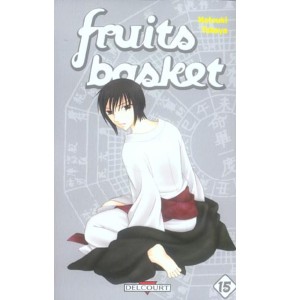
9782847899597 11/10/2023 1743
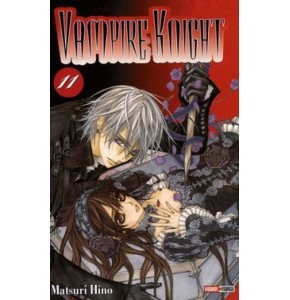
9782809413663 11/10/2023 2009
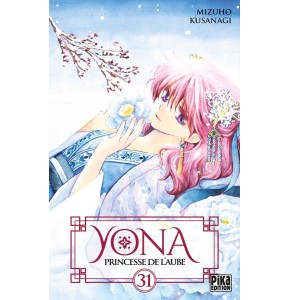
9782811657345 11/10/2023 2237
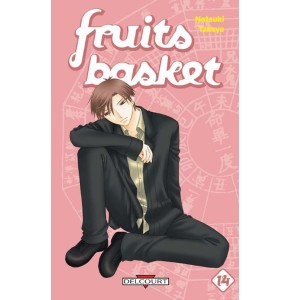
9782847898859 11/10/2023 1719
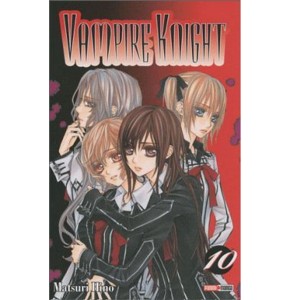
9782809410709 11/10/2023 2037
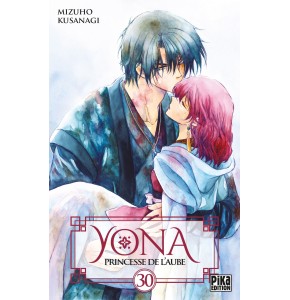
9782811654382 11/10/2023 1872
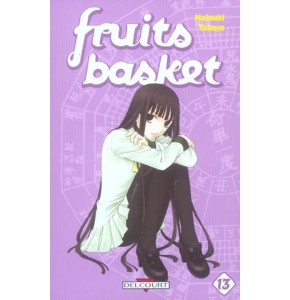
9782847897883 11/10/2023 1991
9782809409123 11/10/2023 1869
9782811652241 11/10/2023 2318
9782847894684 11/10/2023 1681
9782809407051 11/10/2023 2176
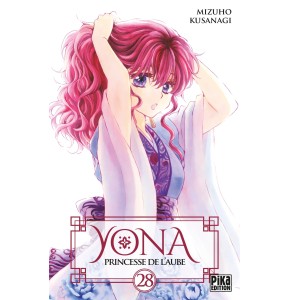
9782811649258 11/10/2023 2002
9782847894677 11/10/2023 1629
9782809405255 11/10/2023 1903
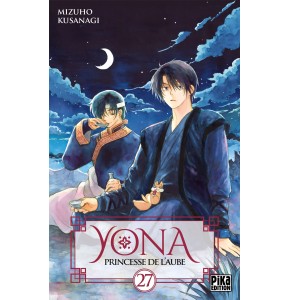
9782811645724 11/10/2023 2309
9782847894066 11/10/2023 1720
9782809403503 11/10/2023 1953
9782811645687 11/10/2023 1906
9782847893571 11/10/2023 1753
9782809402797 11/10/2023 2035
9782811644673 11/10/2023 2032
9782847893052 11/10/2023 1941
9782809401578 11/10/2023 1908
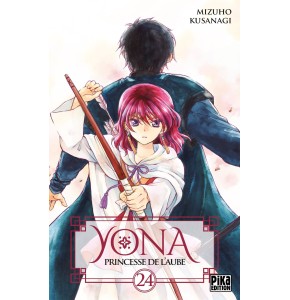
9782811643423 11/10/2023 2024
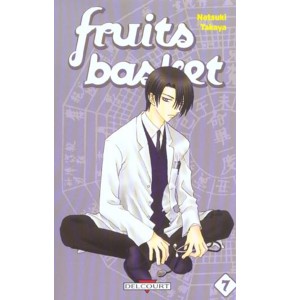
9782847891928 11/10/2023 1728
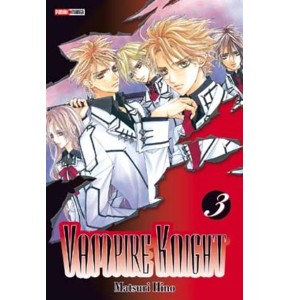
9782809401080 11/10/2023 1913
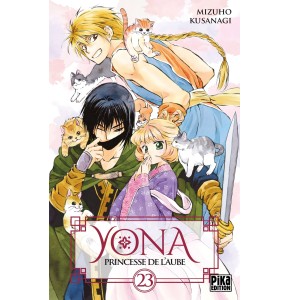
9782811640118 11/10/2023 1886
9782847891430 11/10/2023 1874
9782809400595 11/10/2023 2086
9782811640101 11/10/2023 2070
9782847891287 11/10/2023 1839
9782809400137 11/10/2023 2051
9782811638009 11/10/2023 2131
9782847890310 11/10/2023 1636
9782811635633 11/10/2023 1964
9782840559870 11/10/2023 1669
9782811635626 11/10/2023 2248
9782840559481 11/10/2023 1999
9782811634179 11/10/2023 2212
9782840559184 11/10/2023 1747
9782811634162 11/10/2023 1799
9782811634155 11/10/2023 2086
9782811632267 11/10/2023 2115
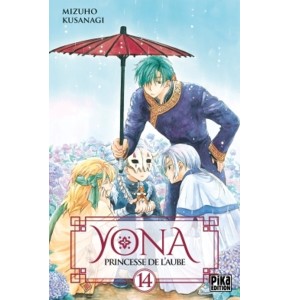
Yona, Princess of the Dawn Volume 14 - Mysteries and Investigations in the Heart of the Water Tribe
9782811632250 11/10/2023 2302
9782811630928 11/10/2023 2084
9782811628970 11/10/2023 2072
9782811628956 11/10/2023 1945
9782811622992 11/10/2023 2074
9782811621728 11/10/2023 1995
9782811621711 11/10/2023 2206
9782811619206 11/10/2023 2469
9782811619190 11/10/2023 1894
9782811618209 11/10/2023 2195
9782811616540 11/10/2023 2148
9782811616168 11/10/2023 1959
9782811615468 11/10/2023 2132
9782811614874 11/10/2023 2170
Shojo Manga: Where Love and Adventure Merge on MangaKif!
Discover the magic of Shōjo Manga on MangaKif and dive into romantic love stories, magical adventures, and deep relationships, all illustrated with a unique artistic style. Whether it's about intoxicating romances or heroic quests, our certified vendors have handpicked a selection of authentic Shōjo titles for you that will undoubtedly meet all your passionate reader's expectations. Don't wait any longer, and find your next favorite read. From "The Rose of Versailles" by Riyoko Ikeda to "Orange" by Ichigo Takano, with MangaKif, you'll have the opportunity to journey through eras filled with passion, adventure, and emotion.
What is the Shōjo genre?
The term "Shōjo" literally translates to "young girl" in Japanese. Historically, Shojo manga mainly targeted a teenage female audience. But don't be mistaken: its popularity extends far beyond this initial target. Over time, this literary style has become a genre cherished by all, regardless of age or gender.
Shojo manga is characterized by narratives focused on love, human relationships, personal growth, and emotions. It often has storylines rich in feelings. Its stories address varied feelings, from budding love to deep friendships, including challenges and trials of daily life. Drawings in this literary genre are typically delicate and detailed, emphasizing facial expressions to better portray the depth of the characters' emotions.
Moreover, the backgrounds are often aesthetic and romantic, frequently using flowers, stars, and other motifs to enhance the mood. The characters' eyes are typically large and expressive, vividly conveying various human emotions.
The History of Shojo Manga: A Brief Journey Through Time
As we all know, the manga world is rich in genres and shades, and one of its cornerstones is undoubtedly the Shojo. The adventure begins during the Taisho era (1912-1926) in Japan, a period when illustrated magazines for young girls made their debut. Although simplistic, these early narratives laid the foundation for what would become a revolution in the manga world. Their emphasis on feelings and emotions distinctly set them apart from other genres of the time.
Over the years, this genre has gained in nuances and complexity. The Showa era (1926-1989) saw the emergence of female artists, bringing their unique perspective to this previously male-dominated genre. This era birthed more nuanced stories centered around themes such as love, friendship, and personal growth.
The Heisei era (1989-2019) marked another turning point for Shojo manga. It introduced even more mature and daring themes. Creators began addressing social, political, and cultural questions, broadening the genre's scope.
Today, Shojo manga isn't just for young girls; it's a celebration of human emotions in all their complexity. Fans of all ages and genders turn to Shojo mangas for intense and deeply emotional narrative experiences.
Characteristics of Shojo: Distinctive Elements of a Captivating Genre
Amidst the vast ocean of manga, there's a genre that stands out with unique traits, offering a singular reading experience. Rooted in tradition, Shojo manga has evolved over time to meet the expectations of new generations while retaining its deep roots.
Stories in this genre often revolve around human relationships, love, friendship, and the challenges of everyday life. They stand out for their deep dive into emotions, making each story one of a kind. Visually, they feature soft and delicate drawings. The characters' eyes, often detailed, capture a wide range of emotions, while motifs like flowers and stars enhance the dreamy ambiance.
Personal growth is another core theme of this genre. Characters evolve throughout the pages, learning from their experiences, making the narratives both inspirational and realistic. Although stories often prioritize emotional depth, they don't shy away from addressing moral dilemmas and complex character relationships.
Furthermore, Shojo mangas aren't confined to a single category. They encompass numerous sub-genres, from historical romance to contemporary drama, offering a broad variety of stories. And while it might seem like a genre primarily targeting young girls, it actually attracts a wide audience due to its emotional and genuine narratives.